

Blog
Blog

When Condé Nast Traveller India writes about a place, it is usually because that place carries a story larger than comfort or scenery. In its feature on Poothali Paddyview Homestay in North Kerala, the magazine does not frame Poothali as a luxury escape or a curated rural experience. Instead, it introduces Poothali as a home that belongs deeply to its land and to the people who live around it.
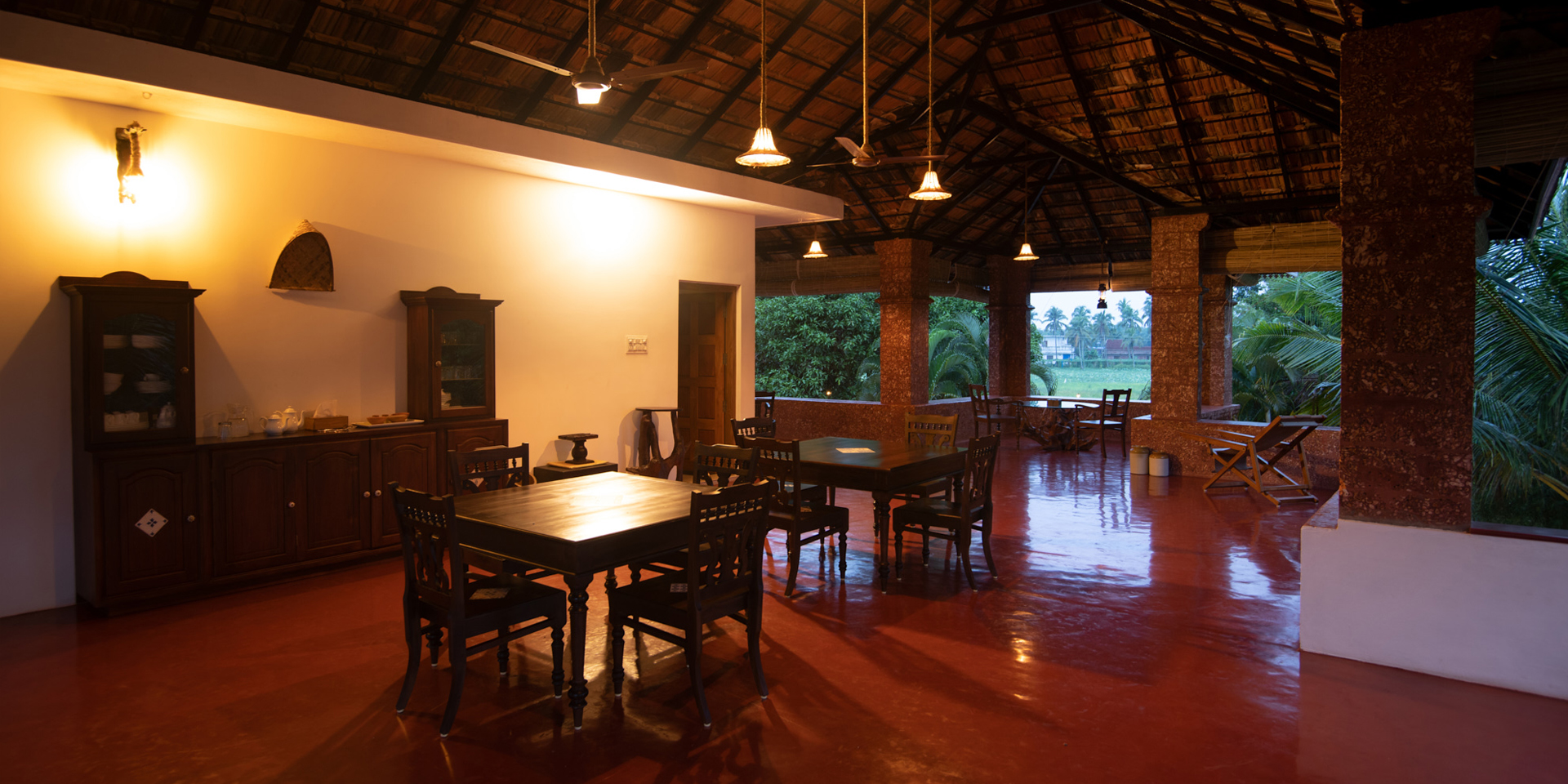
Set in Padannakkad, near Nileshwar in Kasaragod, Poothali looks out over working paddy fields that still follow the agricultural rhythm of North Kerala. The article gently draws attention to this detail: these fields are not ornamental. They are planted, harvested, rested, and replanted by the village, season after season. Staying at this paddy‑view homestay in Kasaragod means waking up to this cycle rather than observing it from a distance.
Condé Nast Traveller notes the house itself as central to the experience. This is not a restored structure emptied of its past, but a lived‑in heritage home that continues to breathe. The wide veranda, old wooden elements, and open relationship with the outdoors reflect a way of living shaped by climate, farming life, and community. The home feels less like accommodation and more like being absorbed into an existing household, a quality that many guests mention when they stay in Poothali’s rooms among the fields.
One of the most meaningful aspects highlighted in the article is the women‑led nature of Poothali. The homestay is run entirely by homemakers from the village, women whose skills come from years of managing homes, kitchens, children, land, and relationships. Their work at Poothali is an extension of what they already know, now shaped into dignity, independence, and collective confidence. Hospitality here is personal, intuitive, and deeply rooted, an example of how a heritage homestay in North Kerala can support local livelihoods quietly and consistently.
The article also speaks of how Poothali opens doors to the wider landscape of North Kerala. From village walks and conversations with elders to visits to fishing communities, mangroves, and cultural spaces tied to ritual and craft, experiences are shared naturally, not staged or timed. Guests are encouraged to move with curiosity rather than itineraries, allowing everyday village life to guide their days, much like the experiences curated on Poothali’s North Kerala experiences page.
What Condé Nast Traveller ultimately captures is Poothali’s refusal to perform. There is no attempt to polish village life into something exotic. Meals are cooked the way they are cooked every day, echoing the flavours described in Poothali’s stories of North Kerala food. Mornings unfold slowly. Evenings arrive with shared food, fading light over the fields, and long silences that feel comfortable rather than empty.
Poothali’s presence in Kerala is a reminder that some homes don’t need reinvention to feel relevant. As the article suggests, its strength lies in staying true to land, to people, and to a pace of life that still values waiting, watching, and belonging. It is this constancy that also underpins Poothali’s approach to sustainable village tourism in Kerala, explored further in posts on the Poothali blog.
Through the lens of Condé Nast Traveller, Poothali emerges not as a place you “visit,” but as a home you are briefly trusted with, a quiet chapter in a village story that continues long after you leave the paddy fields behind. For travellers seeking an authentic paddy‑view homestay in North Kerala, Poothali is less a destination and more a relationship you step into for a while.