

Blog
Blog

Morning at Poothali often begins in the kitchen.
Before conversations gather around the shared table, there is the sound of coconut being grated, steam rising from a puttu kutti, curry leaves crackling in hot coconut oil, and tea coming to a boil. Outside, the paddy fields are slowly waking to the day.
Breakfast here is rarely elaborate. But it carries something more important: the food habits of a place, recipes passed through families, ingredients grown close to home, and memories that have stayed at the table for generations.
This is the story of a traditional North Kerala breakfast , what goes on the plate, why it looks the way it does, and what it can tell a traveller about Malabar.
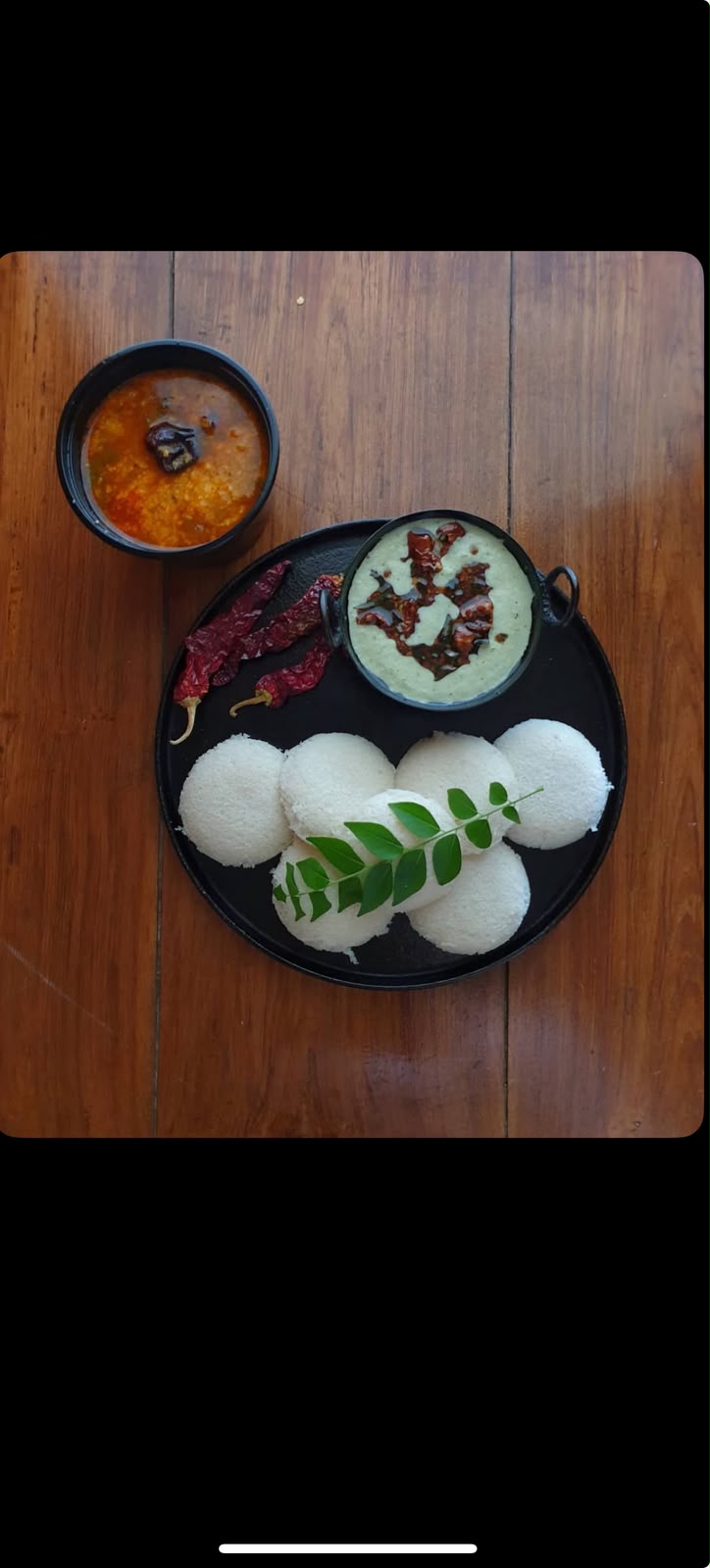
A traditional North Kerala breakfast is built on rice and coconut. The most common dishes are puttu with kadala curry, appam with stew, pathiri, idiyappam and dosa, served alongside a chutney, a seasonal curry and strong tea. Households cook with what grows nearby, so the morning plate changes with the season, the harvest and the family.
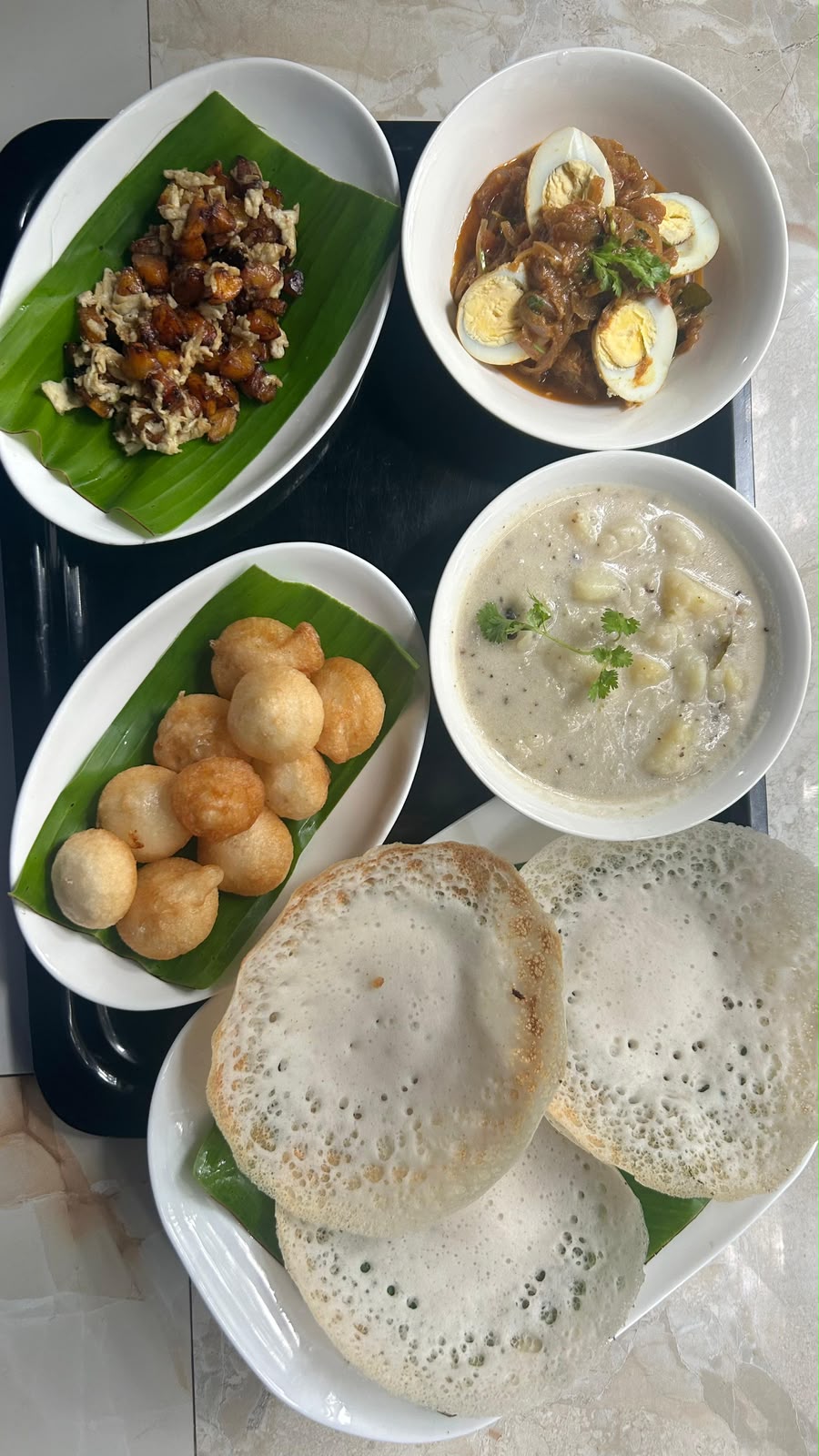
Traditional breakfasts in North Kerala grew from what was easily available around the home.
Rice was cultivated in the fields. Coconuts grew in almost every compound. Bananas, jackfruit, tubers, and seasonal produce came from the garden or from the small farms scattered around the village.
Naturally, these ingredients found their way into the morning meal.
The dishes you are most likely to meet
The dishes may change from one household to another, but rice and coconut remain the familiar threads running through the breakfast traditions of Malabar. You can taste the same principles at work across the wider Malabar kitchen at Poothali, from morning puttu to an evening kalathappam.
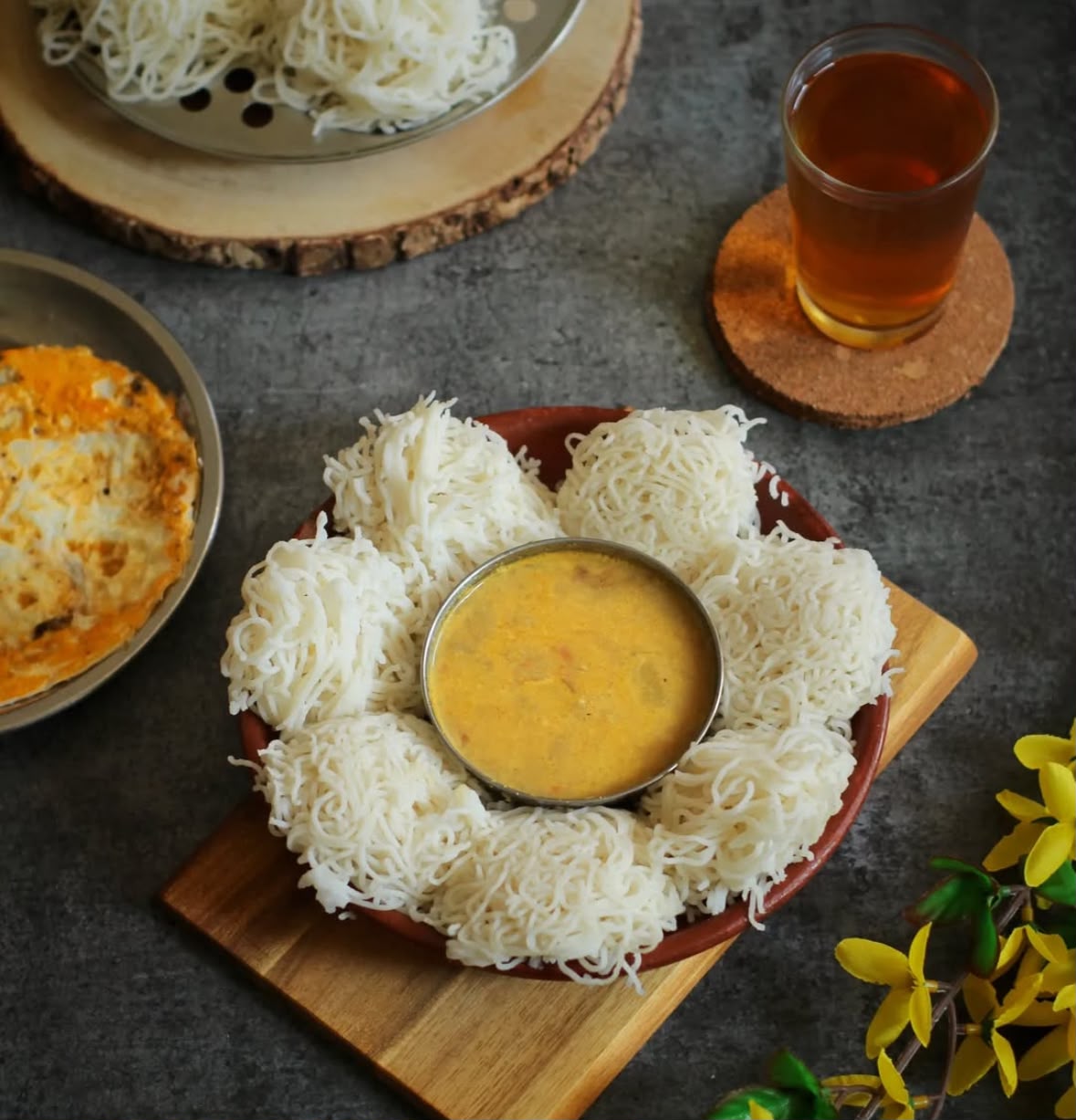
It is difficult to imagine a North Kerala kitchen without coconut.
It appears freshly grated between layers of puttu, ground into chutneys, pressed for milk, or used as coconut oil for tempering spices.
For someone visiting from elsewhere, coconut may seem like simply another ingredient. Here, it is part of everyday life.
For generations, families have used almost every part of the coconut palm, from the fruit in the kitchen to leaves and husks around the home and farm. Even the sap has its own craft and its own calendar, kept alive by the toddy tappers who climb these palms at dawn.
A breakfast plate quietly carries that relationship with the land.
Ask an elder in a village home how much water goes into a particular batter or how long something should cook, and the answer may not come in cups or minutes.
They know by touch.
A little more water until the dough feels right. Enough coconut until the texture looks familiar. Cook it until the aroma changes.
Many traditional recipes survived this way, not through notebooks, but through repetition.
Children watched parents and grandparents cook. Later, they prepared the same dishes in their own kitchens, adjusting them slightly while keeping the heart of the recipe intact. It is the same unwritten knowledge that shapes how farmers here read the soil and the sky.
That is why the same breakfast can taste a little different in every home.
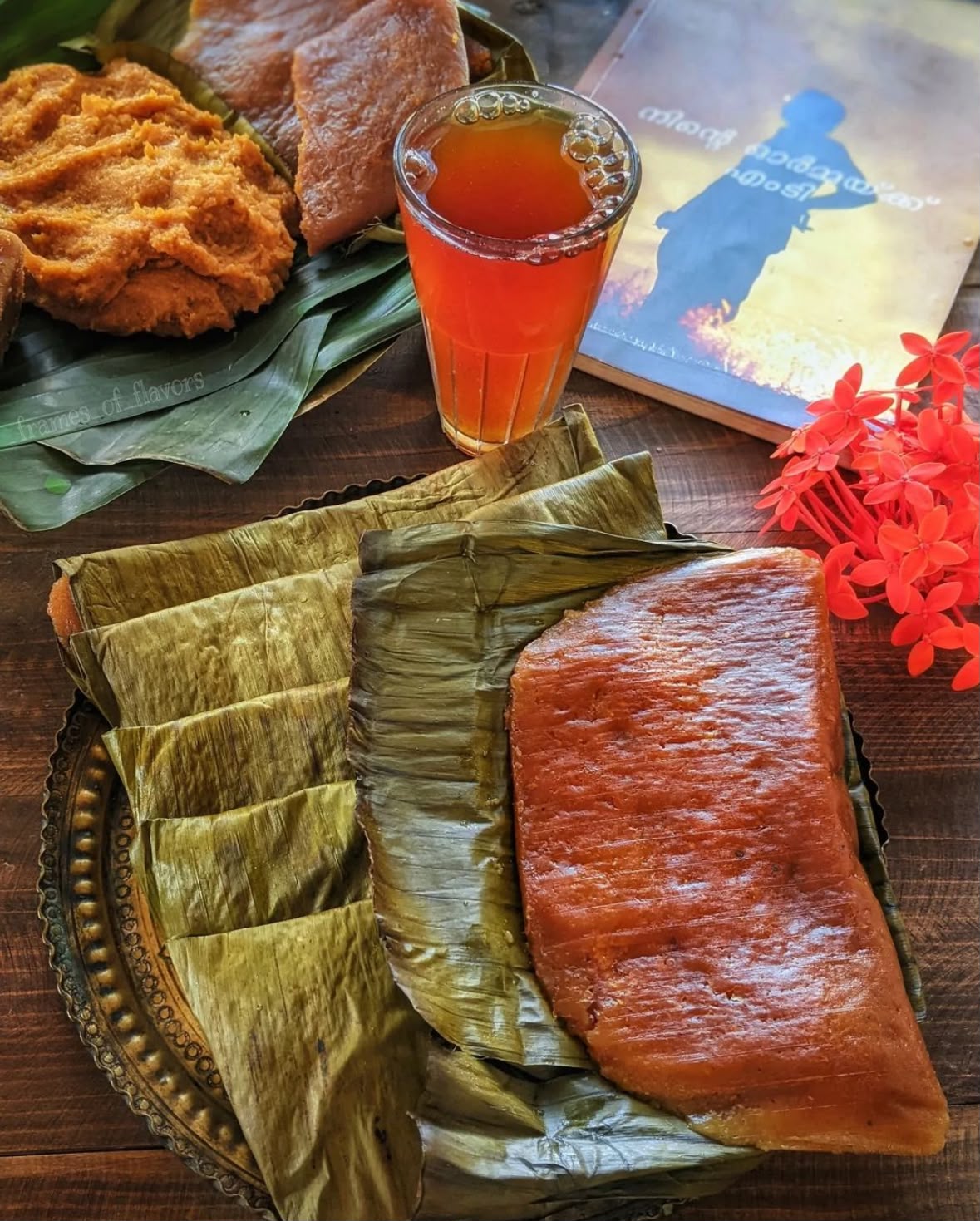
The village kitchen changes with the land outside.
When jackfruit is plentiful, it finds its way into different preparations. During certain months, locally grown tubers become more common. The monsoon brings its own food habits, shaped by what is available and what families traditionally preferred during the rainy season.
A breakfast calendar for North Kerala
This seasonal way of eating was once simply practical.
You cooked what grew around you.
Today, it offers visitors something increasingly rare, the chance to understand a place through what is growing there at that particular moment.
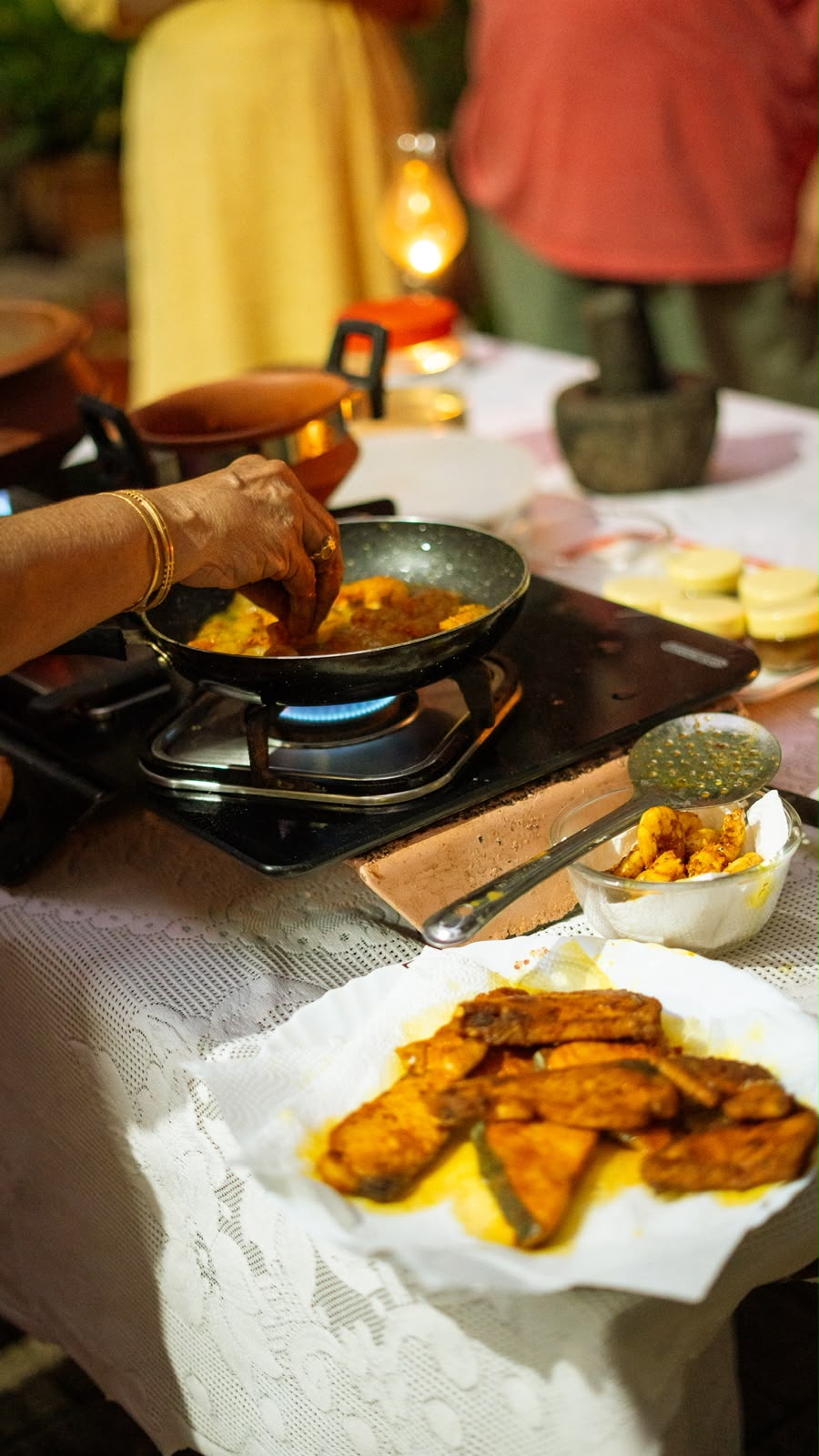
Perhaps the most important part of a traditional breakfast has little to do with the recipe.
It is the table.
At Poothali, breakfast can become the beginning of a conversation. Someone asks about the curry. Another wants to know how puttu is made. A family story follows. Before long, the conversation moves from food to farming, childhood memories, festivals, or how the village has changed over the years- the kind of morning where you notice the sounds of village life, as much as the food.
This is how food has always worked in our homes.
It brings people together before it fills them.
A guest may arrive at the table curious about a dish and leave knowing a little more about the family and the place that prepared it. It is the same quiet exchange that runs through everyday life in this village.
There are many ways to understand North Kerala.
You can walk through its paddy fields, visit its temples, watch its rituals, meet its artisans or travel through its villages.
But sometimes, understanding begins much closer to home.
With warm puttu being opened from its mould.
With coconut being grated in the kitchen.
With curry leaves spluttering in a pan.
With someone across the table saying, “Try this with that.”
A traditional North Kerala breakfast is not simply a collection of dishes. It carries the land, the season, the hands that prepared it, and the memories of families who have eaten the same food for generations.
At Poothali, that story is shared in the simplest possible way.
One plate at a time.
Restaurants can serve you the dishes. A home can serve you the context.
Poothali is an ancestral home in Padannakkad, near Nileshwar in Kasaragod, looking out over paddy fields. Meals here are cooked in the family kitchen with produce from nearby farms and the day’s catch from the coast, the same Malabar food traditions that shaped these breakfasts in the first place.
Guests wake to birdsong, eat on an open veranda, and often spend the rest of the morning walking into the village. If you are putting together a longer trip, our guide on how to plan a Kerala village tour is a good place to begin, and the experiences around Poothali will fill the hours between meals.
See our rooms or check availability and book your stay.
What is the most common breakfast in North Kerala?
Puttu with kadala curry is the most widely eaten breakfast across North Kerala, followed closely by appam with stew, pathiri and idiyappam. Nearly all of them are rice-based and served with freshly grated coconut in some form.
What is puttu made of?
Puttu is made from coarsely ground rice flour, moistened lightly with water and salt, then steamed in a cylindrical mould called a puttu kutti with alternating layers of freshly grated coconut.
Is a traditional Kerala breakfast vegetarian?
Often, but not always. Puttu with kadala curry, appam with vegetable stew and idiyappam with coconut milk are vegetarian. In Malabar homes, breakfast may also include egg, chicken or fish curry, particularly on weekends and festival mornings.
How is a Malabar breakfast different from the rest of Kerala?
Malabar cooking carries Arab, Mangalorean and Konkan influences alongside classic Kerala preparations. In the north you will meet more rice breads, pathiri, neypathal, neerdosa, and coastal and Tulunadu flavours that are less common further south.
Where can I try an authentic home-cooked North Kerala breakfast?
The most authentic version is served in a home rather than a restaurant. Staying at a family-run homestay such as Poothali in Kasaragod means breakfast is cooked in a working village kitchen, with ingredients sourced locally and recipes passed down within the family.
When is the best time to visit North Kerala for its food?
Every season has its own table. The monsoon from June to September brings warm, simple food; November and December bring new rice and Puthari celebrations; and the drier months from December to May bring the widest spread of seafood alongside Theyyam season.