

Blog
Blog

There was a time when childhood didn’t need much planning.
No weekend activity schedules, no screens to fill the afternoons, and no need to travel anywhere to find adventure.
For those who grew up in the villages of Kasaragod, the world outside the front door was more than enough. A mango tree became a meeting place, an open field turned into a playground, and the narrow paths between neighbouring homes led to countless small adventures.
At Poothali, these surroundings still hold something familiar for anyone who remembers village life. For children growing up in cities, they offer a chance to discover a different kind of childhood.
What was childhood like in a Kasaragod village?
Childhood in a Kasaragod village was spent mostly outdoors: games of kallukali, marbles and cricket in open fields, paper boats in monsoon streams, festivals like Onam, Vishu and Theyyam, and long walks to school with friends. Children grew up among neighbours who knew every family, and learned sharing, patience and independence without being taught.
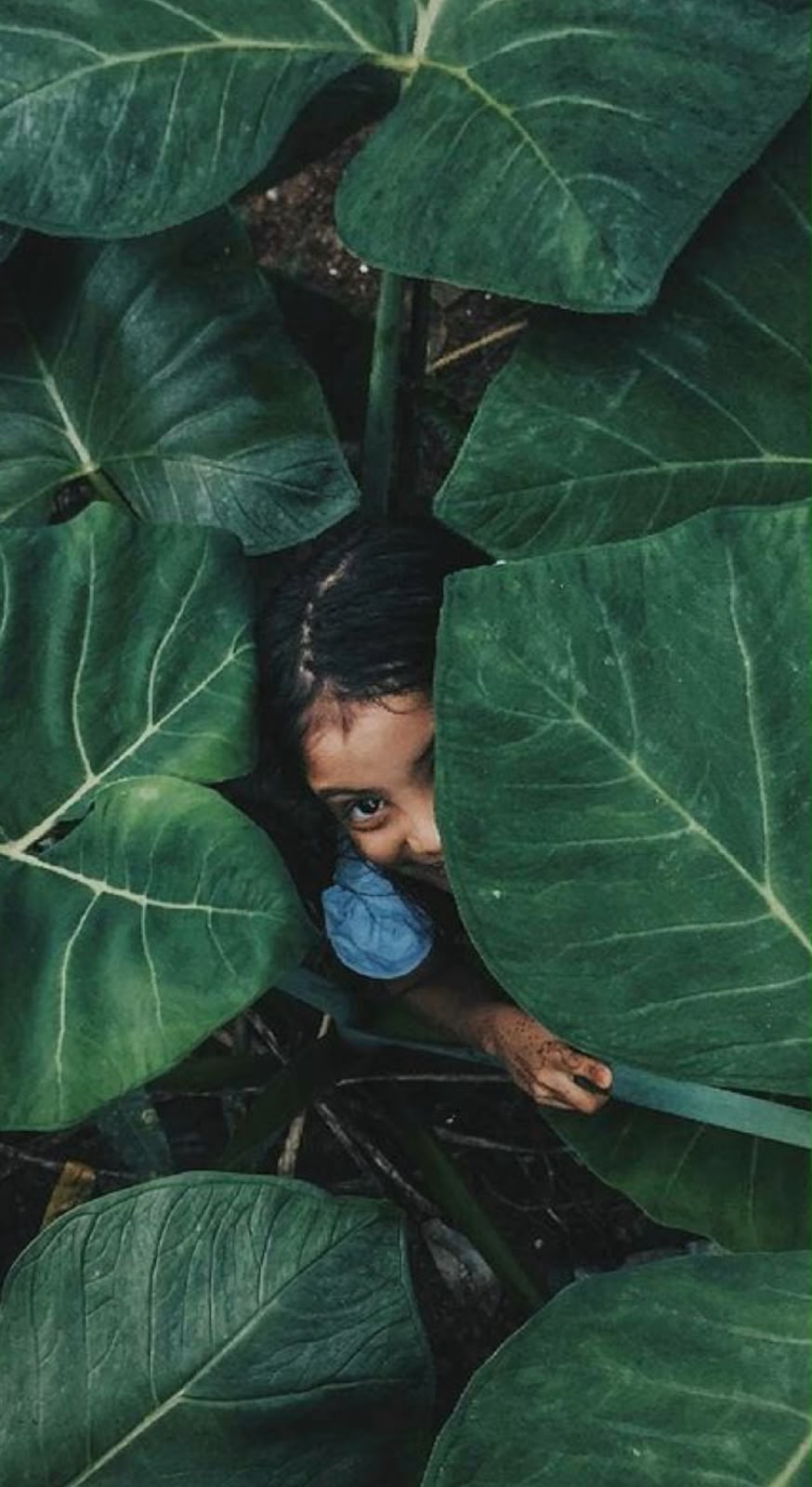
School holidays meant long afternoons outdoors, usually with a group of friends and very little idea of what the day might bring.
Games we played without any toys
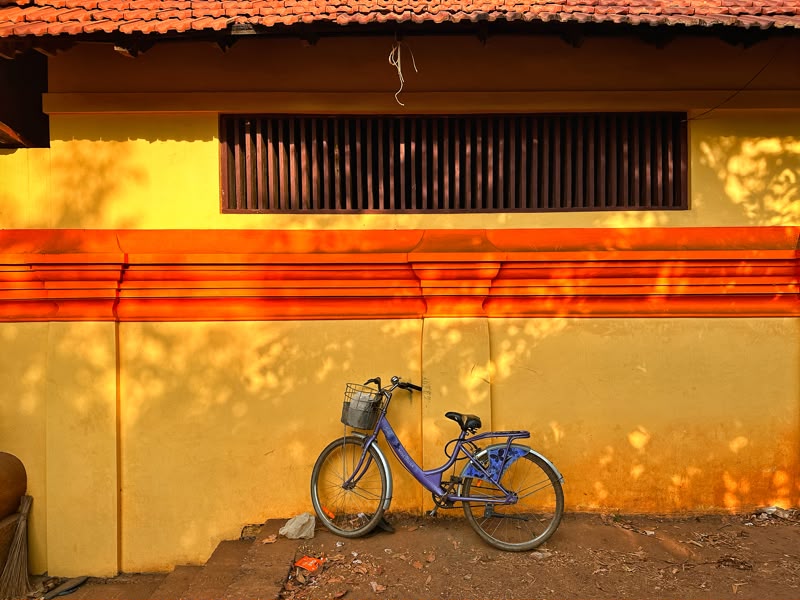
Mango season
Mango season brought its own excitement. Children knew which trees had the sweetest fruit, which mangoes tasted best with salt and chilli, and which neighbour was most likely to notice their adventures.
There were disagreements over games, scraped knees and the occasional scolding. But by the next afternoon, everyone was together again. The best part was that nobody had to arrange any of it.
The monsoon turned an ordinary day into something entirely different.
Rainwater rushed along roadside channels, little streams appeared overnight, and paper boats became serious business. Children came home from school with muddy feet, damp uniforms and stories about everything that had happened on the way.
At home, the sound of rain on tiled roofs filled the afternoons. Wet schoolbags were left to dry, and the smell of something warm from the kitchen made staying indoors a little more appealing.
The monsoon wasn’t always convenient. There were flooded paths, stubborn umbrellas and clothes that took forever to dry. Yet ask anyone about those years, and they are more likely to remember the paper boats.
Growing up in a village also meant growing up among people who knew you.
The local shopkeeper recognised your family. Neighbours noticed when you hadn’t been around for a few days. An elderly woman on her veranda might call you over for a chat, or offer you something freshly made at home.
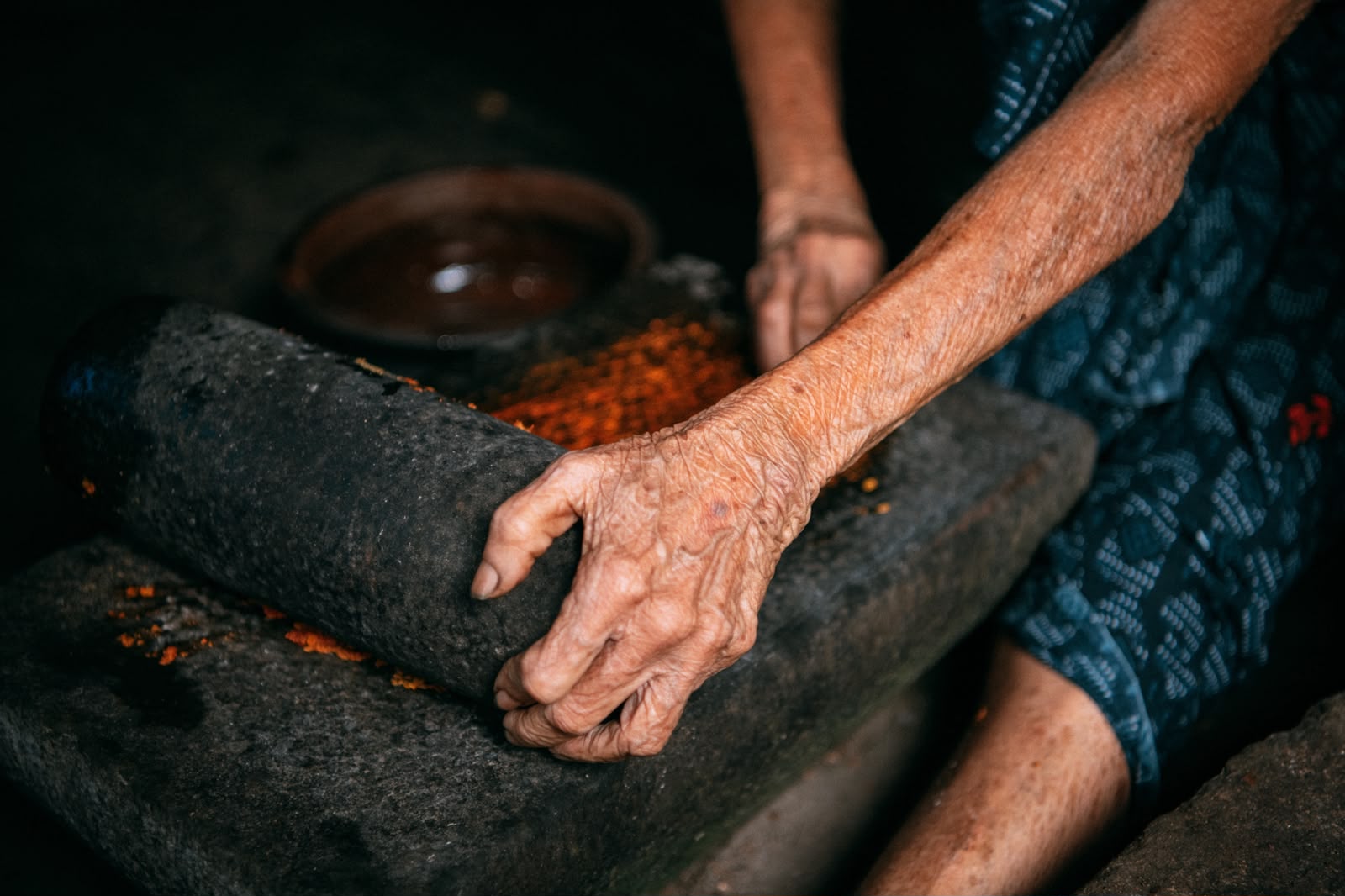
Children moved easily between familiar households, and friendships often stretched across generations. Many of those kitchens are where we first learned what home cooking in Kasaragod really tastes like.
Of course, it also meant that getting into mischief rarely stayed a secret for long. But there was a sense of belonging that came from being known, not just by your family, but by the whole community.
The village calendar was full of occasions children looked forward to.
Theyyam in Kasaragod
In Kasaragod, Theyyam held a particularly special place. The sound of the drums, the preparations at the local kavu (sacred grove shrine), the elaborate costumes and the powerful presence of the performers left a lasting impression on young minds.
For a child, Theyyam could be fascinating and a little overwhelming. Only with age came a deeper understanding of the beliefs, ancestral stories and community traditions behind it. Celebrations like these connected children to a cultural inheritance they slowly learned to understand and value.
For many children, the walk to school was an adventure of its own. Friends joined along the way. There were shortcuts, roadside shops and plenty of reasons to arrive a few minutes late.
Some mornings began with talk about homework. Others went on cricket matches, festivals or plans for the afternoon.
The journey also brought small responsibilities: looking after younger siblings, carrying a friend’s books, or helping someone across a waterlogged stretch of road. Without anyone turning it into a lesson, children learned companionship, independence and how to look out for one another.
Looking back, village childhood taught lessons that rarely appeared in schoolbooks.
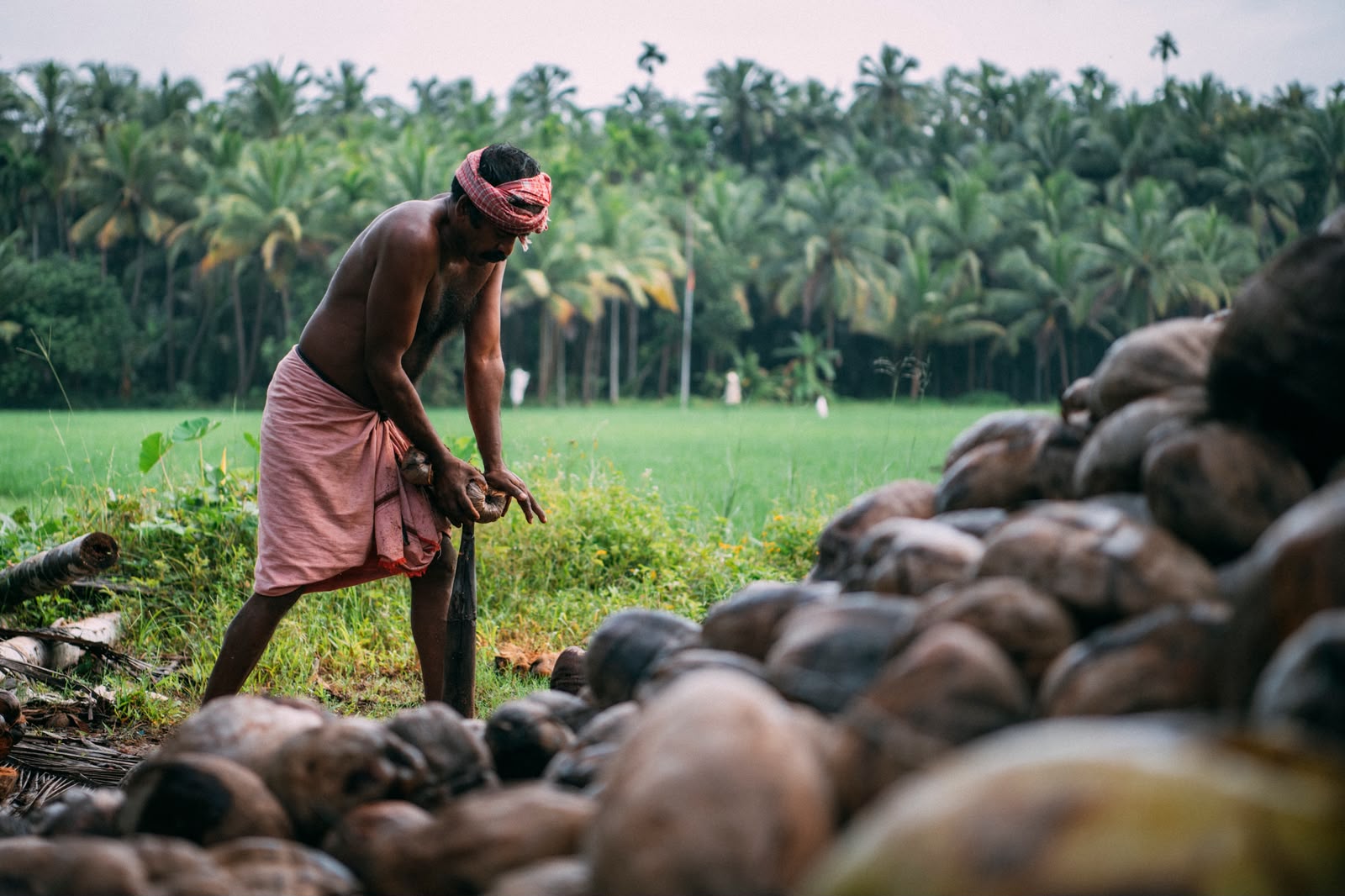
There was room for curiosity, imagination and the occasional boredom. Perhaps those ordinary hours shaped us more than we realised.
Today, many children grow up surrounded by apartment buildings, busy roads and carefully planned activities. A visit to a village can introduce them to experiences that were once part of everyday childhood.
Poothali is an ancestral home in Padannakkad village, near Nileshwar in Kasaragod, looking out over paddy fields. Here, a simple walk can raise dozens of questions. Children may wonder how rice grows, why certain birds gather near the fields, or what happens on a farm in different seasons. It is the same village life in Kerala that many of us grew up with.
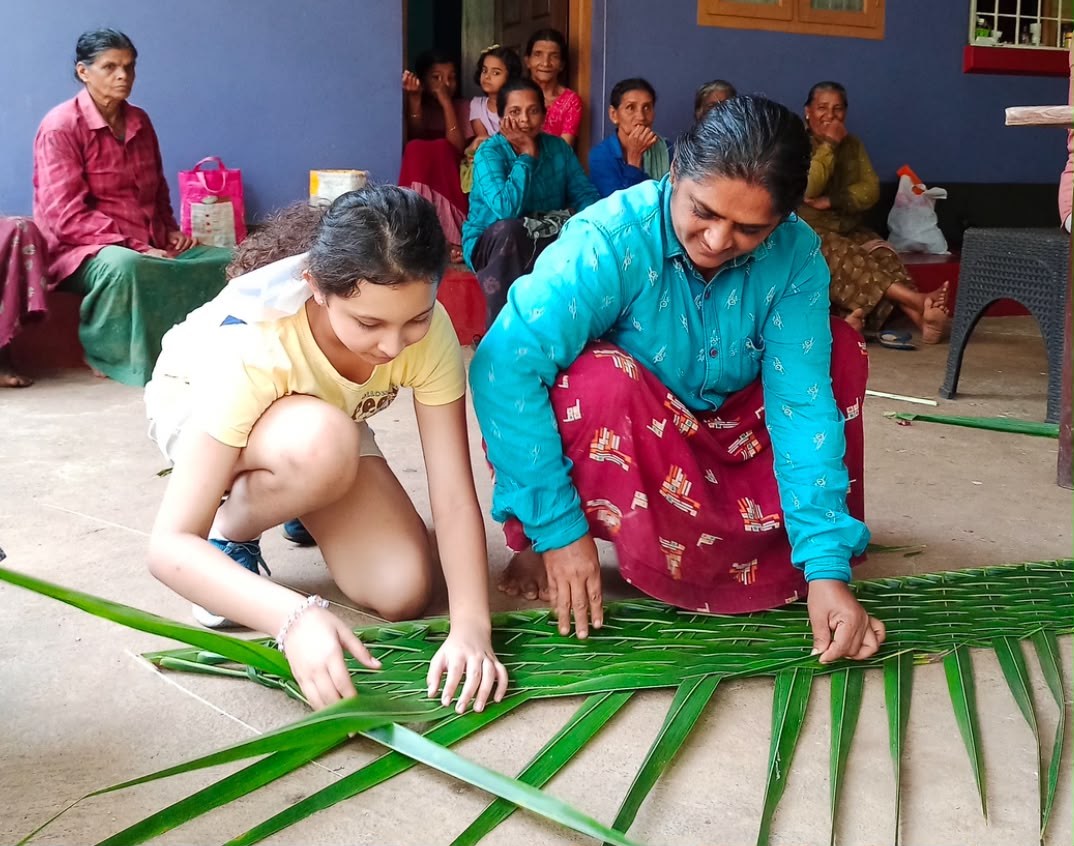
Things children can try at Poothali
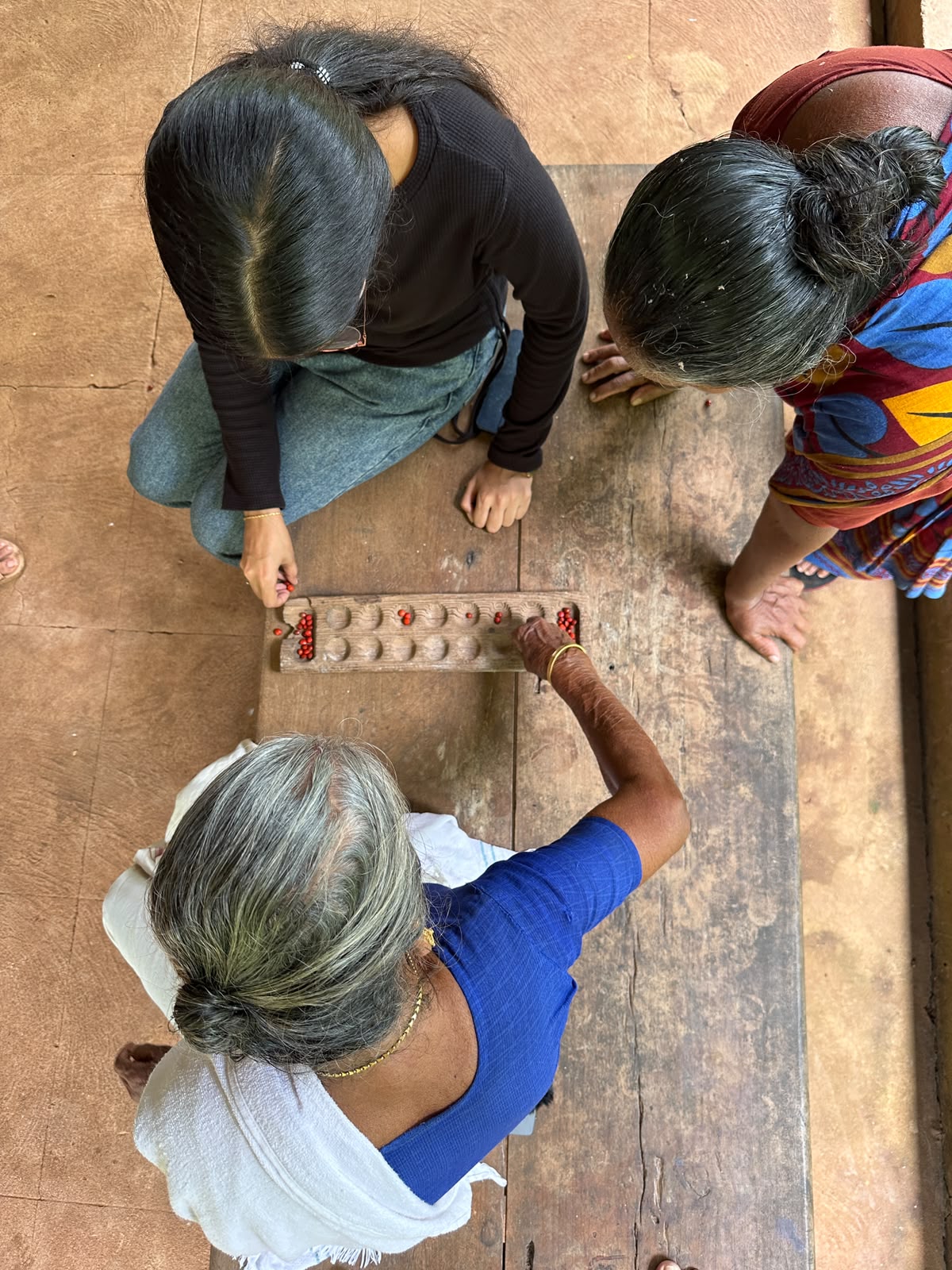
For parents, these moments can bring back memories they haven’t thought about in years. The sight of a child examining a fallen leaf, watching a farmer at work or becoming fascinated by a small creature in the garden can be a reminder of their own early years.
It is not about recreating the past. It is about giving children the freedom to notice, ask questions and experience something beyond their usual surroundings.
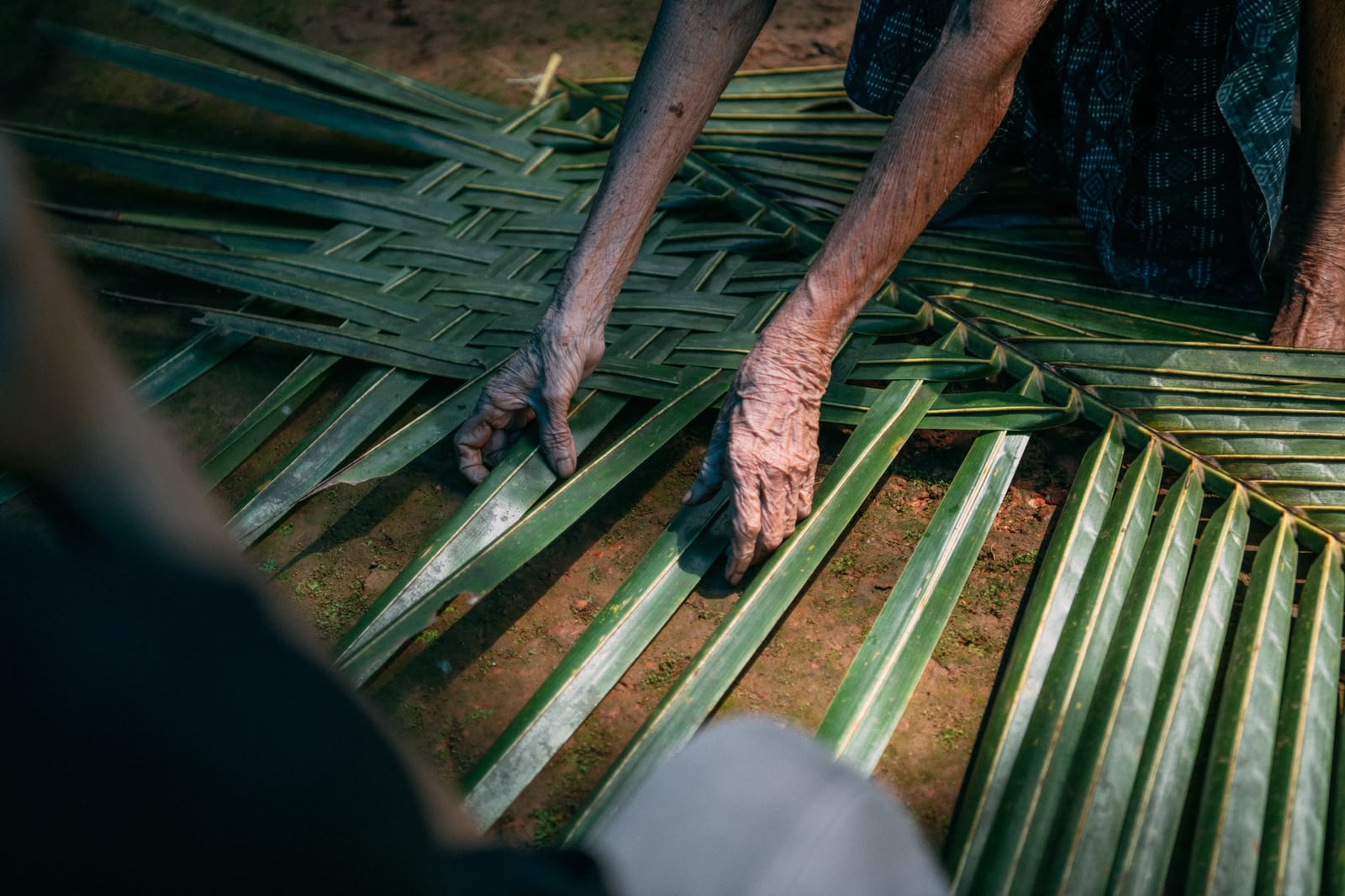
Kasaragod’s villages have changed, as all places do. Homes have become more modern, roads have improved, and technology is part of daily life. Not every part of growing up in the past was easy, and many of these changes have made life better.
Yet certain memories stay especially dear. The friend who lived next door. The grandmother who always had something to eat. The excitement of a festival approaching. The games that went on until someone called you home.
At Poothali, we believe these memories are worth sharing with the next generation. Not because childhood was necessarily better in the past, but because it reminds us how much joy can be found in ordinary experiences and real human connection.
Perhaps what we miss most about growing up in a village is not the place itself, but the way we lived there: with curiosity, friendship and a sense that the whole world was waiting just outside the door.
And sometimes, a few days in a village like ours are enough to bring a little of that feeling back. Plan your family stay at Poothali.
What was childhood like in a Kasaragod village?
Most of it happened outdoors. Children played kallukali, marbles, hide-and-seek and cricket in open fields, raced paper boats in monsoon channels, walked to school together and grew up among neighbours who knew every family by name.
Is a village stay in Kerala good for children?
Yes. A village stay gives city children time outdoors, real farm sights such as paddy fields and coconut husking, and simple hands-on activities like weaving coconut fronds or playing traditional board games with local elders.
What traditional games did children play in Kerala villages?
Common games included kallukali (a pebble game), marbles, hide-and-seek, cricket on any open ground, rolling old bicycle tyres, and seed-and-board games like pallanguzhi, often played with grandparents on the veranda.
What can children do at Poothali in Kasaragod?
Children can walk along the paddy fields, watch farm work through the seasons, try coconut-frond weaving and traditional games with women from the village, and explore the garden and courtyard at their own pace.